Why is my copper turning green or black? (and is that a problem?)
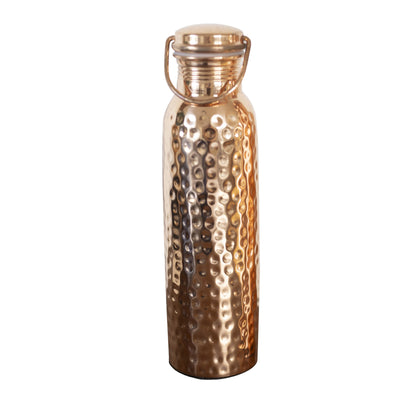
Your copper bottle or bracelet is changing colour and you're wondering if that's a problem. Reassuring news: it's patina, and that's a good sign.

The moment you start to doubt
Your copper bottle sat on the counter for a few weeks and suddenly there are dark spots on it. Or your bracelet leaves a greenish haze on your wrist after a summer of wear. The first reaction is almost always the same: is this copper broken, or did I do something wrong?
Neither. What you're seeing is patina, and it's exactly what's supposed to happen to pure copper.
In short: patina in a nutshell
- Patina is a natural oxide layer that forms when copper comes into contact with air, moisture and oxygen.
- The colour progresses from a darker brown or blackish haze to, over time, a greenish tint.
- It's normal, and it proves you're holding untreated, solid copper.
- Each product discolours differently, depending on use, moisture and, for a bracelet, your skin.
- Want the original shine back? The lemon-and-salt method works.
What patina actually is
Copper is a reactive metal. As soon as it comes into contact with air, moisture, oxygen and the minerals in tap water, a chemical reaction begins on the surface. In the first few weeks, you'll often see this as a darker, deeper brown or even blackish haze: a thin oxide layer. If that layer persists and carbon dioxide and moisture from the air are added, it gradually discolours further towards green, forming copper carbonate and similar copper salts. That same process gave the Statue of Liberty in New York its famous green colour, after more than a century of exposure to the elements.
On Kopero products, that's simply part of the package: it proves you're dealing with solid, untreated copper. A product with a plastic lacquer or coating over it won't discolour at all, but then you also don't get the copper you paid for.
Every bottle ages differently
No two copper objects age in exactly the same way. How often you use it, what water you put in it, how you store it, even the humidity in your home: it all determines, in its own small way, how quickly and in what pattern the patina forms. Some people find that beautiful and just let it run its course, until after a few years the bottle has a deep, warm colour you could never have bought.
If you'd rather see that bright, reddish shine of day one again, polish it with lemon and coarse salt: rub the cut side of half a lemon, sprinkled with salt, over the surface in circles, rinse with lukewarm water and dry thoroughly straight away. For the full step-by-step instructions, including what's better left alone, read Maintaining a copper bottle: cleaning, polishing and storage.
Lemon
Cut a lemon in half.
Salt
Sprinkle the cut side with coarse salt.
Polish
Rub the copper in circles, then rinse and dry.
And that green mark on your wrist
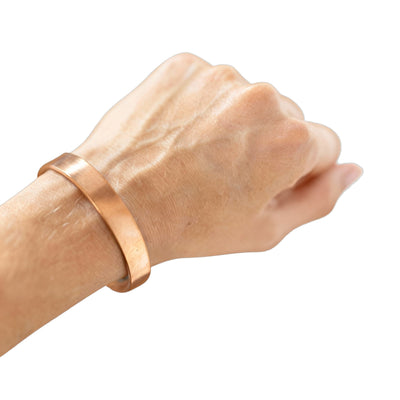
With bracelets, there's an extra factor at play: your skin. Sweat contains salt and acids, and these react with the copper surface to form those same green copper salts, which can settle as a thin layer on your skin. In warm weather, during intense exercise, or simply with skin that naturally sweats a bit more acidic, this happens faster than for someone else. It's exactly the same harmless reaction as with your bottle, just visible on your wrist instead of on metal.
There's nothing dirty or harmful about it: the mark washes off easily with water and soap. If you'd rather wear the bracelet without that green edge, wash it clean occasionally and dry it thoroughly after wearing.
Patina doesn't look the same everywhere
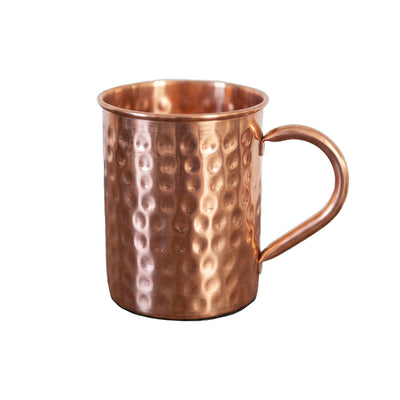
Not every Kopero product discolours in the same way or at the same speed. A mug or cup you use with hot tea or coffee comes into contact more often with fluctuating temperatures and with acids from, for example, lemon tea, so the patina there can sometimes appear faster and more patchily than on a bottle you mainly fill with water. A jug that stands on the table, and is therefore more exposed to air, often develops a more even haze across the whole surface instead.
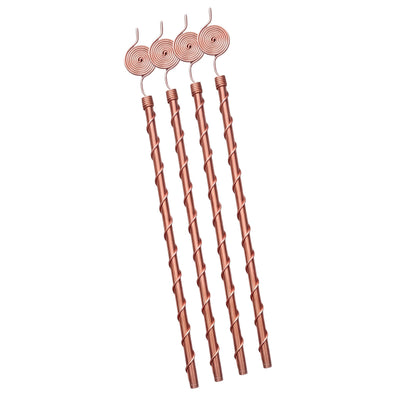
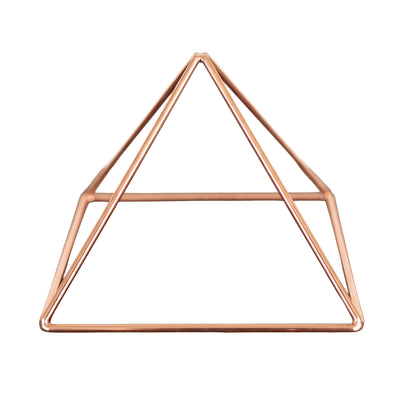
A garden stake for electroculture or a pyramid kept outside or in a humid room usually discolours fastest of all the products, simply because it's exposed to air and moisture the longest and the most. With a bracelet, as described above, the sweat and acidity of your skin also play a role. In every case, the same conclusion applies: copper just does what copper does.
Why patina is simply part of the deal
Choosing copper means choosing a living material that moves with time, and with you. That discolouration is simply part of the package, a sign that your product is doing exactly what pure copper has always done, for centuries. Check out our copper water bottles and copper bracelets, or browse the whole range, and discover how your piece builds its own, unique patina.