Tamra Jal: the Ayurvedic tradition of drinking water from copper
Discover Tamra Jal, the centuries-old Ayurvedic practice of storing water in copper. The origin, the text and why people still do it today.

Somewhere in an Indian kitchen, the same ritual has stood on the counter for three thousand years: a copper jug, filled with water, ready to be drunk as the very first thing of the day. That jug has a name: Tamra Jal, literally "copper water". The habit behind it is one of the oldest Ayurveda knows.
In short
- Tamra Jal, literally "copper water", is an Ayurvedic practice passed down for around three thousand years.
- The Sushruta Samhita, a foundational Ayurvedic text, names copper alongside gold, silver, earthenware and bell metal as a storage material for drinking water.
- Researchers call copper's effect on micro-organisms in water the oligodynamic effect.
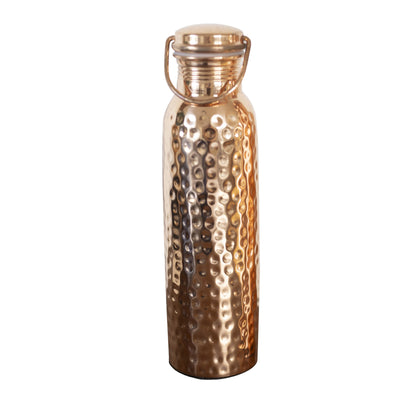
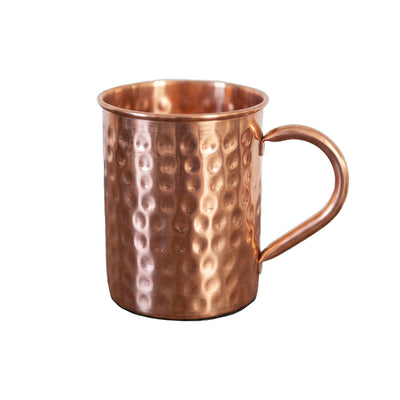
- The tradition applies just as well to a bottle, jug, mug or cup: it's about the copper itself, not the exact shape of the vessel.
- The classic version is simple: fill a copper vessel with water in the evening and drink it first thing the next morning, preferably on an empty stomach.
What the foundational text really says
The Sushruta Samhita is one of the foundational texts of Ayurveda, likely compiled around the first centuries of our era based on even older oral knowledge. In the Sutrasthana chapter, around verses 12 to 17 of the forty-fifth section, there's an instruction you can follow almost literally today: water should be drunk perfumed, stored in a golden, silver, copper or earthen vessel, or in a bowl of bell metal or gemstone.
In that sense, copper is given an equal place alongside gold, silver and earthenware: just one of the materials you store your water in, with no special status, written down by one of the founders of classical medicine.
Why copper became the habit
If gold and silver were also on the list, why did copper become the material that survived the centuries in ordinary Indian households? Practically speaking, the answer is simple. Copper was available everywhere, affordable for ordinary families, and easy to work into the jugs and cups you need for a daily ritual. A temple could afford gold. A household bought a copper lota.
There was also something people couldn't put into words but could observe: water that had spent a night in copper stayed different from water in an earthen jug. That observation was passed down through generations, long before science found an explanation for it.
The oligodynamic effect: the bridge to today
Researchers now call this the oligodynamic effect of copper: even at small concentrations, the metal has a measurable effect on micro-organisms in water. Studies on water stored in copper vessels show a clear difference after a few hours to overnight compared with water in other materials. That's how science explains what Ayurveda had already put into practice for millennia.
That's what makes Tamra Jal special: a habit passed down from mother to daughter for thousands of years, carried by experience long before science found an explanation for it.
Jug, bottle, mug or cup: the vessel doesn't make the ritual any less powerful
The Sushruta Samhita talks about a vessel, but in practice it's not the exact shape of the vessel that counts. It's the copper itself that does the work. Whether you fill a copper jug in the evening for the nightstand, take a copper water bottle to work, drink your morning tea from a copper mug, or keep a copper cup by your bed: the tradition and the oligodynamic effect apply just the same. Many people even combine them: a jug for the night, a bottle for on the go, and a mug or cup for the table.
Living Ayurveda: rhythm, taste and dosha
Ayurveda isn't just a collection of ancient verses, but a living practice with different schools, families and regional habits. So the explanation of Tamra Jal sometimes varies. One practitioner emphasises the morning rhythm and agni, the digestive fire. Another looks mainly at constitution, season and dosha, and chooses a shorter or longer storage time.
The classical core is clear: the Sushruta Samhita names copper as one of the materials for storing drinking water. Living practice adds rhythm and personal attunement to that. Start simply, taste mindfully, and notice how the water tastes and feels to you. Tamra Jal isn't a contest in how much you drink; it's a daily meeting between water, metal and attention.
How to honour Tamra Jal today
The classic version is surprisingly simple. In the evening, you fill a copper jug or bottle with room-temperature water and let it sit overnight. The next morning, preferably on an empty stomach, you drink it first: a small, simple moment without complicated rituals or strict quantities, repeated for so long that it now feels almost self-evident.
Want to experience for yourself why this tradition has lasted so long? Check out our copper water bottles, copper jugs, copper mugs and copper cups collections, or browse the full Kopero collection.